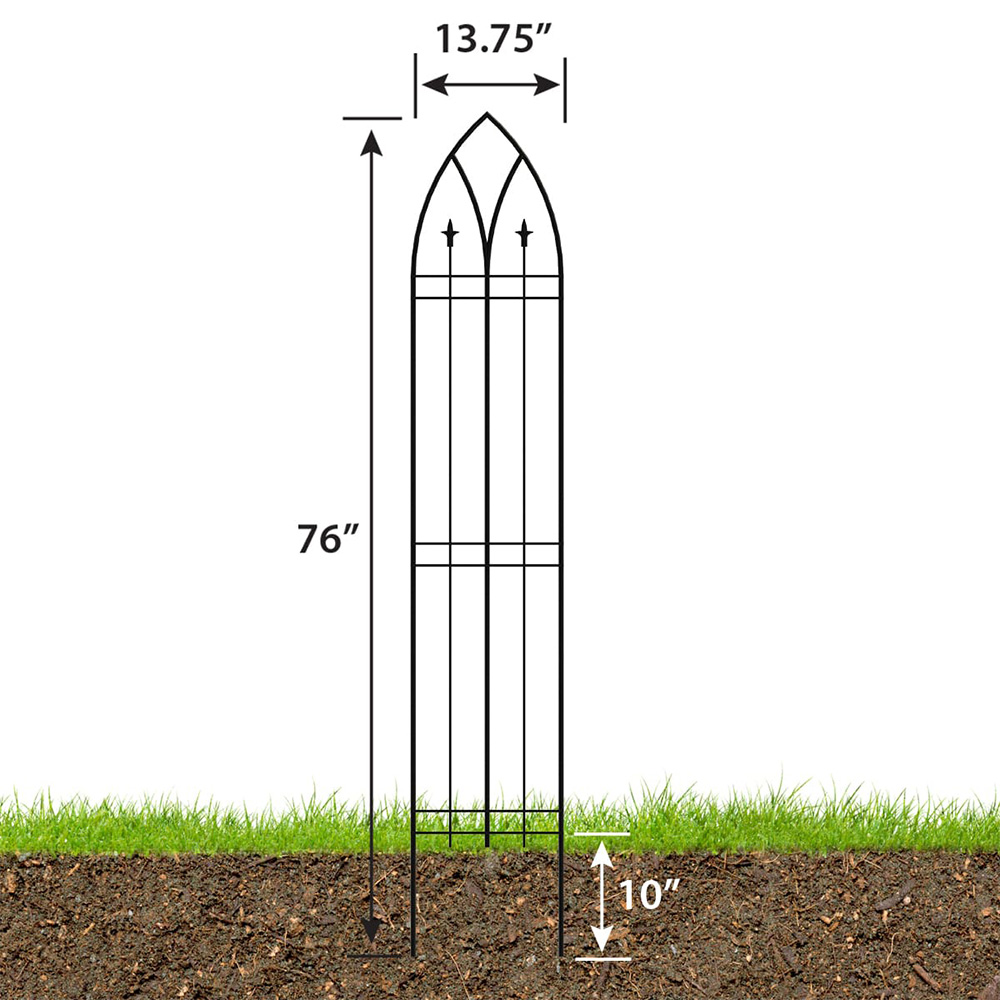
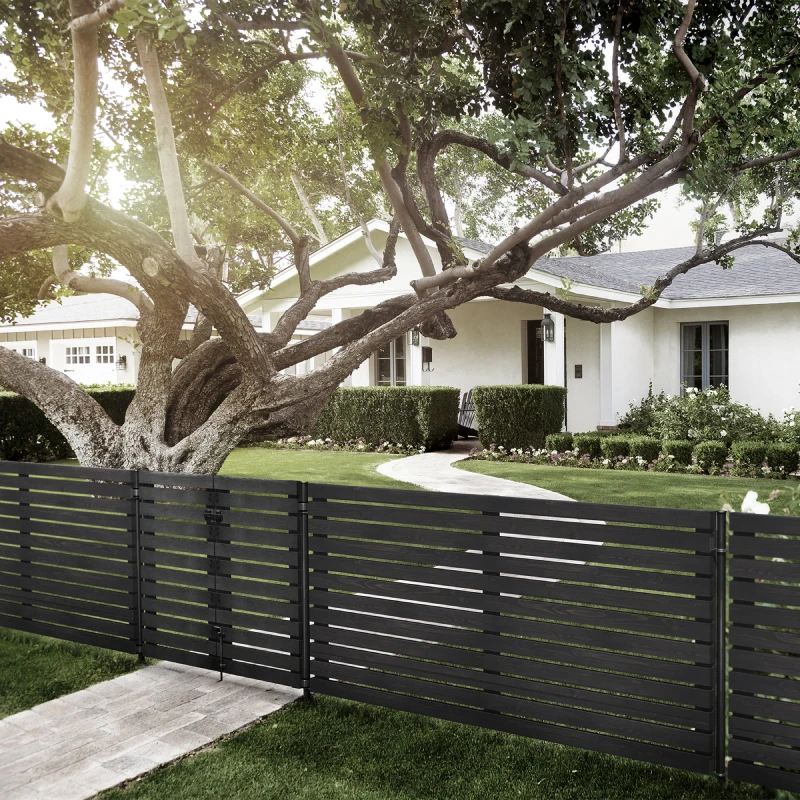
Installing metal fence posts is a critical aspect of building a durable and reliable fencing system, whether for residential, commercial, or industrial purposes. This process, while seemingly straightforward, requires detailed knowledge and careful execution to ensure longevity and optimal performance. Drawing from years of hands-on experience and professional insight, this article delves into the meticulous steps and considerations necessary for successful metal fence post installation. Selecting the Right Type of Metal Fence Posts The journey begins with selecting the ideal type of metal posts. Most commonly, you'll encounter options like galvanized steel, aluminum, and wrought iron. Each has its unique properties. Galvanized steel is praised for its strength and rust resistance. Aluminum is lightweight and easy to install, making it a favorite for DIY enthusiasts, while wrought iron offers unparalleled strength and an aesthetic appeal for decorative purposes. Consider the specific requirements of your environment, such as corrosion risk, style preferences, and budget constraints, when making this choice. Pre-Installation Planning and Preparation Successful installation hinges heavily on detailed planning and site preparation. Start by assessing the terrain Is it level, hilly, rocky, or soft? Understanding the ground conditions will influence your post-length choice and anchoring method. It’s critical to check local zoning laws and secure any necessary permits to avoid legal complications. Marking the boundary lines accurately using a string and measure ensures adherence to property lines and fosters seamless fence alignment. Once the logistics are clear, gather the right tools—post-hole digger, level, measuring tape, concrete mix, shovel, and protective gear. Having everything on hand saves time and effort during the actual installation process. Digging and Setting the Posts With preparations complete, the installation begins with digging post holes. Space the holes uniformly according to the fence panels, typically 6 to 8 feet apart. The depth of each hole should be at least a third of your post's length plus another 6 inches to accommodate drainage gravel and potential frost heave. Create drainage at the base of each hole using gravel, which prevents water accumulation and subsequent rusting of metal posts. Place each post in its respective hole, using a level to ensure it stands perfectly vertical—a critical factor for structural integrity. Securing the post with braces before pouring concrete ensures it remains stable and correctly aligned. metal fence post installation The concrete mixture you use should be a suitable blend for outdoor use, resisting weather conditions while providing lasting stability. Pour the concrete and let it set partially before adjusting the post for any necessary alignment corrections. Once satisfied with placement, allow the concrete to cure fully, which typically takes around 24 to 48 hours. Enhancing Durability and Performance The longevity of metal fence posts is significantly influenced by additional protection and maintenance measures. Applying a rust-resistant paint or coating safeguards against corrosion, a common issue in high-moisture areas. For galvanized posts, this might not be necessary, but it's still worth considering for added peace of mind. For posts installed in regions prone to harsh weather, using post caps can prevent water from seeping into hollow sections. Regular maintenance checks to assess rust, structural shifts, or damage are crucial in extending the life of your metal fencing system. Professional Insights and Common Pitfalls Based on extensive professional expertise, several pitfalls often accompany DIY metal fence post installations. A common mistake is underestimating the post depth needed, leading to instability and leaning . Likewise, rushing concrete curing results in misaligned posts and reduced fence performance. Investing time in quality materials and adhering to precise installation techniques bolsters not just the fence's functionality but also its aesthetic appeal. Opting for professional installation can be beneficial for more complex projects or challenging terrains, ensuring expert execution and safeguarding your investment. In conclusion, installing metal fence posts is a blend of strategic planning, technical execution, and ongoing maintenance. By following expert guidelines and remaining mindful of potential challenges, you can create a robust and visually pleasing fencing solution that stands the test of time. Whether acting as a DIY task or through professional assistance, the attention to detail in each phase of the process ensures both satisfaction and security, fundamentally enhancing property value and utility.